Almabsat
 العربية
 English
 中文
中文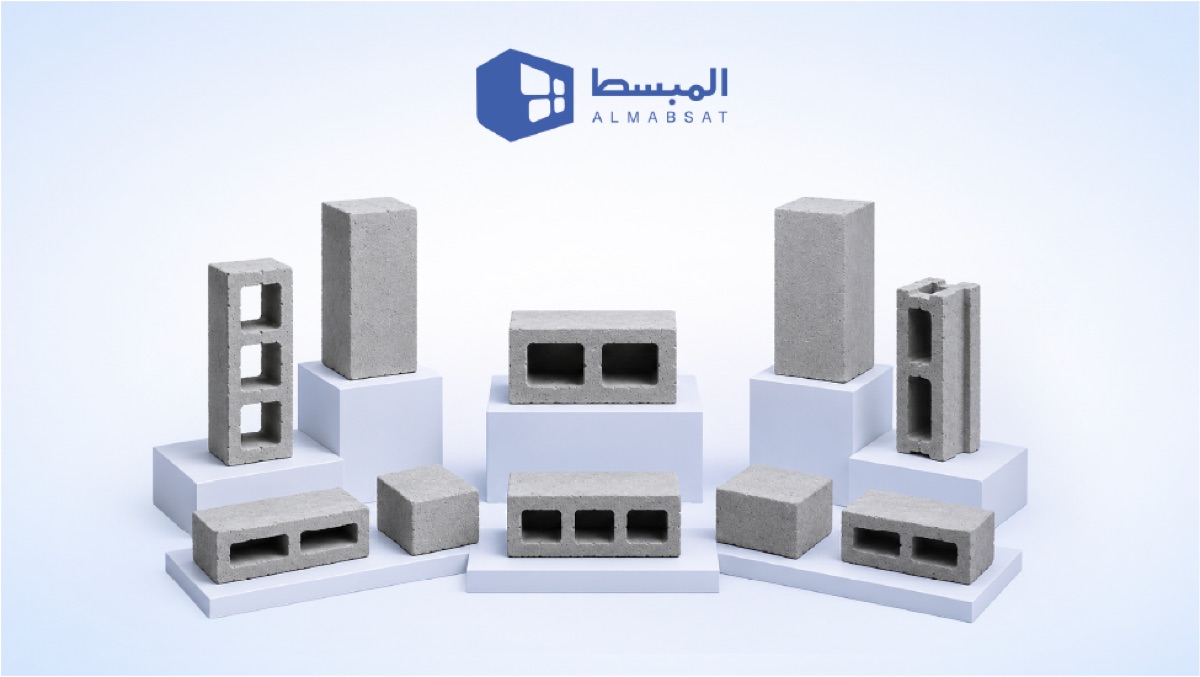
Autoclaved block is a widely used building material in residential and commercial projects, thanks to its properties suited to wall construction and insulation work. Its price varies depending on several factors, such as size, quality, required quantity, supplier, and transport costs to the project site, which is why knowing how much autoclaved block costs helps contractors and project owners plan their budget and choose the option that best fits their needs.
How Much Does Autoclaved Block Cost?
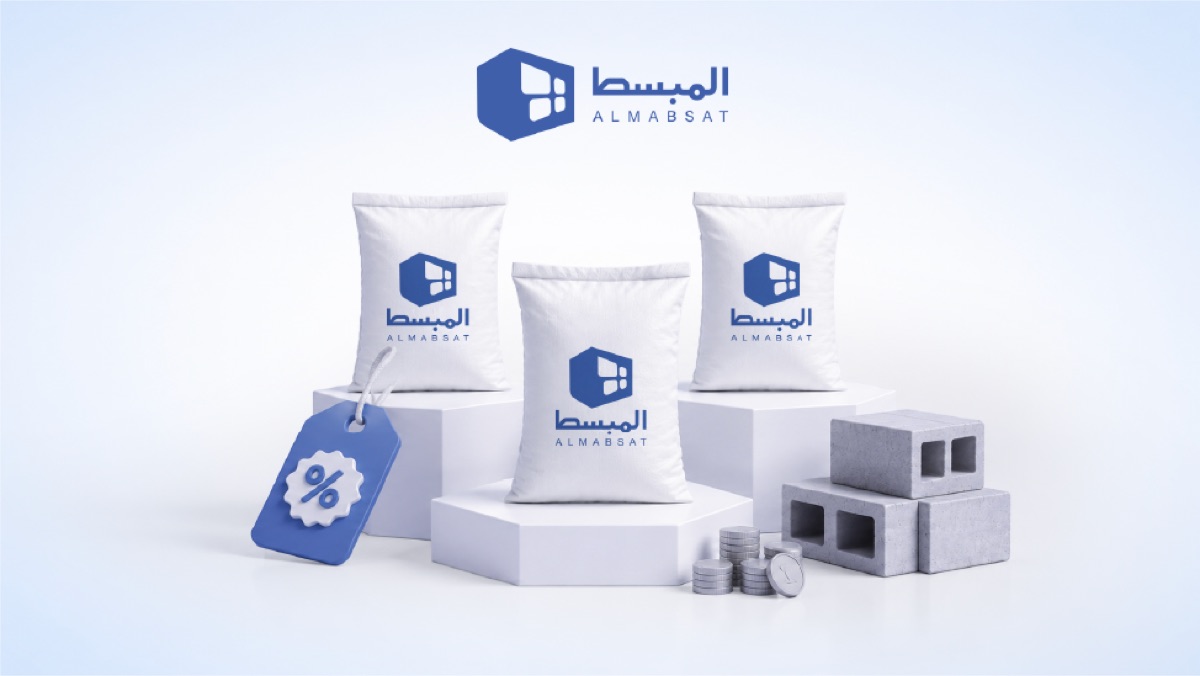
The price of autoclaved block in the Saudi market varies depending on several factors, including size, manufacturing quality, required quantity, project location, and transport and supply costs, so there's no fixed price across all types — the final cost is determined based on each project's needs and execution requirements.
- 10 cm autoclaved block: one of the sizes suited to some interior wall work, usually lower in cost compared to larger sizes due to the lower quantity of material used in manufacturing it.
- 15 cm autoclaved block: a common size in residential projects, usually falling within the mid-price range depending on the supplier and required quantity.
- 20 cm autoclaved block: relatively higher in price compared to smaller sizes, due to its greater thickness and suitability for some exterior wall work and insulation requirements.
- Larger sizes of autoclaved block: may cost more due to the larger piece size and quantity of raw materials used, in addition to different transport and supply needs.
Factors Affecting the Price of Autoclaved Block
The price of autoclaved block changes based on a set of factors related to product quality, specifications, and supply conditions, so prices can vary between suppliers or between projects depending on the required size, purchase quantity, and delivery location. Here are the key factors affecting the price of autoclaved block:
- Block size and thickness: prices vary depending on the available sizes — the greater the block's thickness or size, the more material is used in manufacturing it, which can be reflected in the final price.
- Manufacturing quality and specifications: the level of block quality and how well it meets required specifications affects the price, since product cost varies depending on the raw materials used and their properties.
- The quantity required for the project: purchase cost varies based on order size, since large projects may get better prices compared to small quantities.
- Transport and delivery costs: the distance between the supplier and the project site affects the final price, since supply cost rises with higher transport costs or a more distant delivery location.
- The supplier and available offers: prices vary between suppliers depending on supply sources, the services offered, and the offers available at the time of purchase.
- Market movement and demand for building materials: increased demand for building materials as a result of construction activity can affect prices and product availability in the market.
- Purchase timing and project planning: planning ahead and ordering quantities at the right time helps avoid extra costs resulting from urgent orders or material shortages.
Why Light Autoclaved Block from Almabsat Is an Ideal Choice for Modern Construction
Almabsat offers light autoclaved block in varied sizes ranging from 10 cm to 30 cm to suit different residential and commercial project needs. This type stands out for its light weight compared to regular block, which helps reduce the loads on the structure, in addition to providing better thermal and acoustic insulation for buildings.
Light autoclaved block is used for interior and exterior wall construction, especially on upper floors that need reduced building weight, and it's a suitable option for projects focused on improving insulation efficiency and meeting modern construction requirements.
One of the key advantages of Almabsat's autoclaved block is that it's significantly lighter than traditional block, making transport and installation on site easier, along with its ease of cutting and shaping, which helps execution teams complete work with greater flexibility, alongside its good thermal and acoustic insulation properties.
Autoclaved Block Sizes from Almabsat
Almabsat offers autoclaved block in several options based on project needs, with available sizes including:
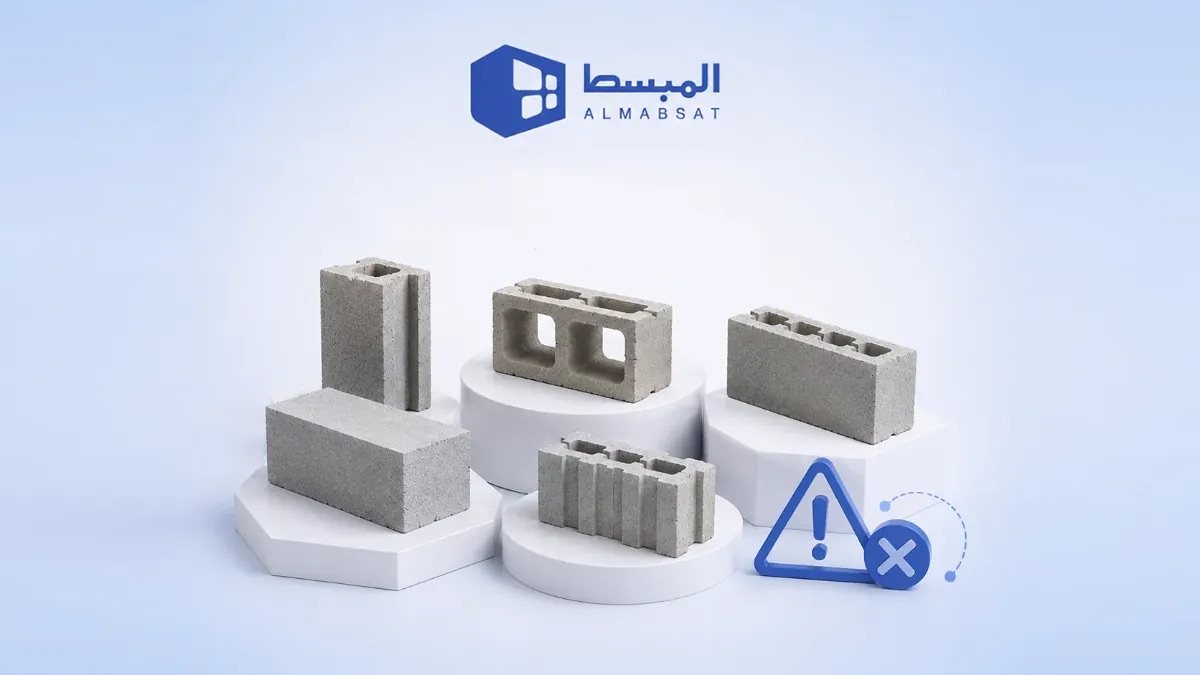
- 10 cm autoclaved block: available in several types including 3-core, 2-core, multi-core, and solid, mainly used for interior wall and partition work that needs a thinner profile.
- 15 cm autoclaved block: available in multiple options such as 3-core, 2-core, multi-core, and solid, suited to many construction work requiring a balance between thickness and weight.
- 20 cm autoclaved block: available in types including 3-core, 6-core, 8-core, 2-core, multi-core, and solid, used for walls that need greater thickness and a higher level of insulation.
- 25 cm autoclaved block: available in several designs such as 3-core, 6-core, 8-core, 2-core, and multi-core, suited to projects requiring thicker walls.
- 30 cm autoclaved block: offers varied options including 3-core, 6-core, 8-core, 2-core, and multi-core, used when greater thicknesses are needed to meet special construction requirements.
Through this variety of sizes and types, Almabsat lets contractors and project owners choose the right autoclaved block based on the intended use and execution requirements, providing multiple solutions suited to different construction work.
Advantages of Using Autoclaved Block in Residential and Commercial Projects
Autoclaved block has become a preferred option in many residential and commercial projects thanks to its properties that combine light weight, insulation efficiency, and ease of execution. Using it helps improve building performance by reducing the loads on the structure and providing a more comfortable indoor environment, making it suited to modern construction requirements.
- Reducing loads on the structure: autoclaved block stands out for its light weight compared to traditional block, which helps reduce the weight placed on the building, especially when used on upper floors.
- Effective thermal insulation: autoclaved block offers a good ability to reduce heat transfer, which helps improve building efficiency and reduce reliance on cooling systems, making it suited to projects in areas with high temperatures.
- Improved acoustic insulation: using autoclaved block helps reduce noise transfer between different spaces, providing a quieter, more comfortable environment inside residential and commercial buildings.
- Easy to cut and shape during execution: it's easy to handle on site, which helps execution teams make required adjustments and complete construction work with greater flexibility.
- Fast installation and reduced execution time: its light weight and ease of handling help speed up construction processes compared to some traditional block types.
- Suited to different project types: it can be used for interior and exterior wall construction in villas, residential buildings, and commercial projects that need lightweight, efficient construction solutions.
- Contributing to improved energy efficiency: the insulation properties of autoclaved block help reduce heat loss, contributing to improved energy consumption efficiency inside the building.
Frequently Asked Questions about Autoclaved Block Prices
Does the price of autoclaved block vary by size?
Yes, prices vary based on available sizes such as 10 cm, 15 cm, 20 cm, 25 cm, and 30 cm, with cost usually increasing with greater thickness and block size due to the difference in the amount of material used in manufacturing.
Is autoclaved block more expensive than regular block?
The price of autoclaved block may be higher than some regular block types due to its additional properties, such as light weight and thermal and acoustic insulation, but the right type is chosen based on the project's needs and budget.
Does buying large quantities of autoclaved block save on cost?
Yes, large quantities can help secure better prices from suppliers, especially for residential and commercial projects that need continuous supply.
In closing, we've covered how much autoclaved block costs and the factors that affect its price, such as sizes, manufacturing quality, order quantity, and transport and supply costs. We've also looked at the key advantages and uses of autoclaved block in residential and commercial projects, and the importance of choosing the right supplier to get a high-quality product at a fair price that meets your project's needs.
You may also like:
- The Difference Between Aerated Block and Regular Block, and Which Is Right for Your Project?
- The Advantages and Quality of Steam-Cured Block in Construction
- Cement Block Sizes in Saudi Arabia: A Complete Guide to Specifications and Uses
General Disclaimer:
The information provided in this article is intended for general awareness purposes, aimed at helping readers better understand construction materials, procurement processes, and make more informed decisions. While Almabsat takes care in preparing and reviewing this content, every project is unique, and technical specifications, quantities, prices, execution methods, regulations, and manufacturer instructions may vary.
Therefore, this content should not be considered a substitute for engineering, technical, or professional consultation. It is recommended to consult engineers, consultants, and relevant authorities, and to review technical specifications and manufacturer instructions before making any design, execution, or purchasing decisions.
If this article includes any prices or price indicators, they are for guidance purposes only and may vary depending on the city, quantity, brand, purchase date, and market conditions.
If you need assistance with quantity estimation, BOQ review, or obtaining a quotation, the Almabsat team will be happy to assist you.