Almabsat
 العربية
 English
 中文
中文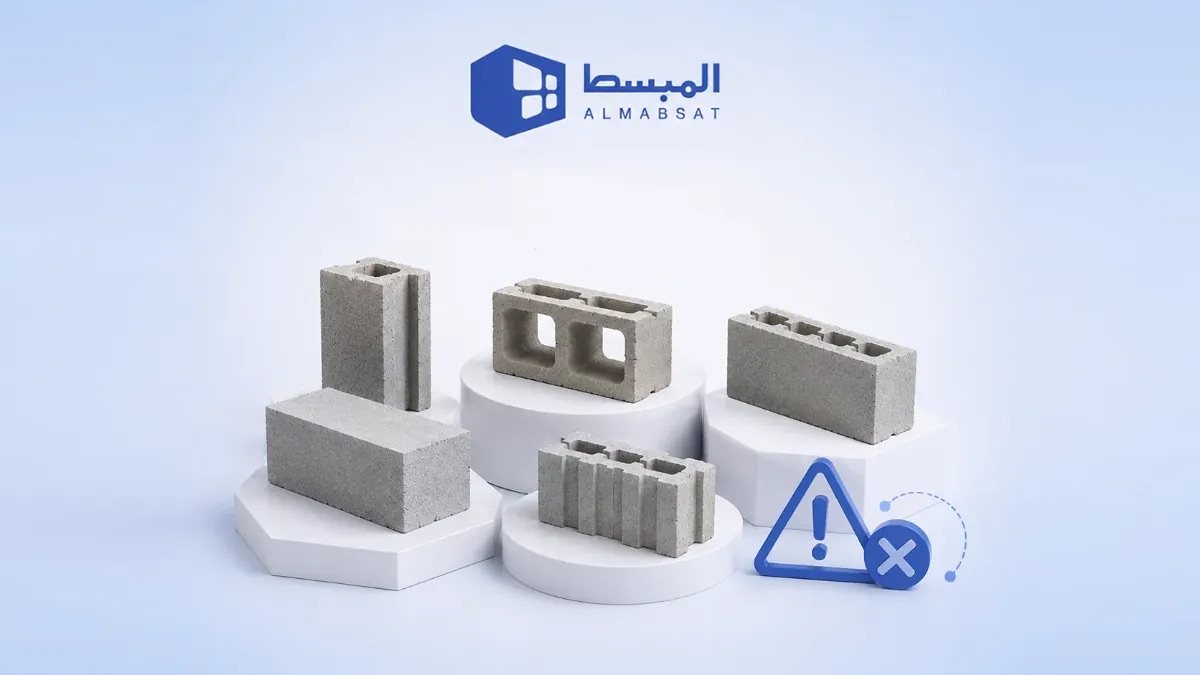
Block is one of the most widely used building materials, but a surprising number of projects suffer from avoidable mistakes in choosing or installing it. These mistakes can weaken a structure, hurt thermal performance, or cause cracking — all preventable with the right approach from the start.
Why Choosing the Right Block Matters
The type of block used directly affects a building's strength, thermal and acoustic insulation, and overall execution cost, so block should never be chosen at random — it needs to match the project's use, site conditions, and climate.
Common Mistakes to Avoid
- Choosing block based on price alone, without checking whether it meets the strength or insulation the project needs.
- Using the wrong block type for the wall's role — for example, ordinary block where thermal insulation is actually required.
- Mixing incompatible block sizes or types within the same wall run, which can cause uneven load distribution.
- Poor mortar joints during installation, a leading cause of cracks appearing later.
- Ignoring manufacturer specifications for curing time and handling, which affects long-term durability.
- Skipping a structural engineer's input when block choice affects load-bearing walls.
Block Varieties Available from Almabsat
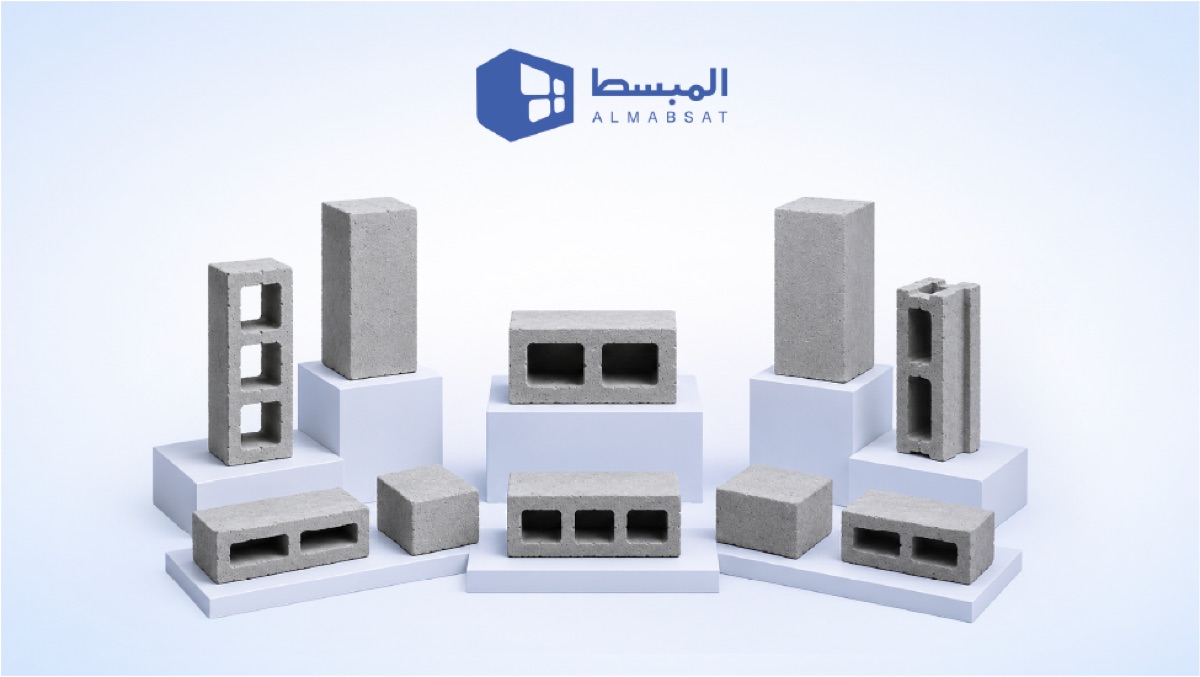
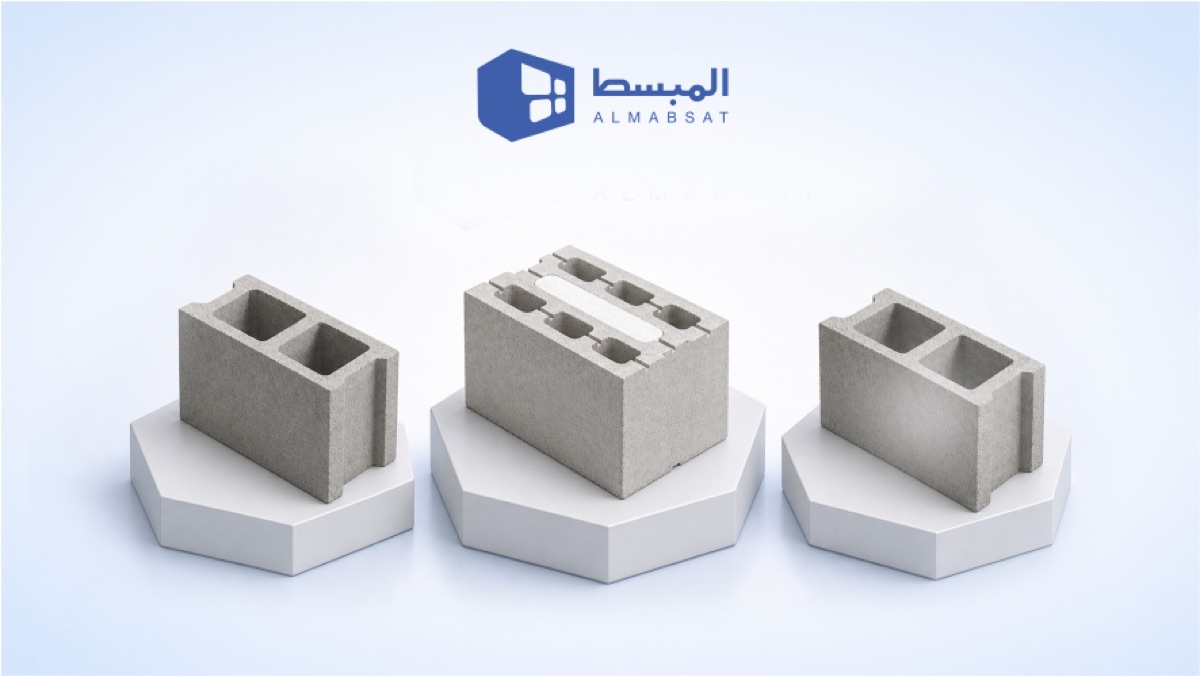
Almabsat offers a wide range of block to help you avoid these mistakes from the start: standard concrete block, autoclaved aerated (steam-cured) block, volcanic block, and Saudi/American insulated block — all matched to Saudi building code sizes and specifications.
How to Choose the Right Block for Your Project
Match the block to the wall's role (load-bearing vs. partition), the local climate, and your insulation goals, and confirm the product meets approved specifications before ordering. Almabsat makes this easier by letting you buy cement and blocks from one supplier, keeping specifications and delivery consistent across your project — a trusted building materials supplier from foundation work through finishing.
FAQ: Common Block Mistakes
Does block choice affect a building's strength?
Yes — using the wrong type or size for a load-bearing wall can weaken structural performance significantly.
What's the impact of using unsuitable block on insulation?
It can raise energy consumption noticeably, since a poor thermal match increases reliance on air conditioning.
Can block installation mistakes cause wall cracks?
Yes — poor joints, uneven loading, or mixing incompatible block types are common causes of cracking after installation.
Avoiding common block mistakes protects your project's strength, insulation, and long-term cost — order the right block for your needs through Almabsat today.
General Disclaimer:
The information provided in this article is intended for general awareness purposes, aimed at helping readers better understand construction materials, procurement processes, and make more informed decisions. While Almabsat takes care in preparing and reviewing this content, every project is unique, and technical specifications, quantities, prices, execution methods, regulations, and manufacturer instructions may vary.
Therefore, this content should not be considered a substitute for engineering, technical, or professional consultation. It is recommended to consult engineers, consultants, and relevant authorities, and to review technical specifications and manufacturer instructions before making any design, execution, or purchasing decisions.
If this article includes any prices or price indicators, they are for guidance purposes only and may vary depending on the city, quantity, brand, purchase date, and market conditions.
If you need assistance with quantity estimation, BOQ review, or obtaining a quotation, the Almabsat team will be happy to assist you.