 Almabsat
 العربية
 English
 中文
中文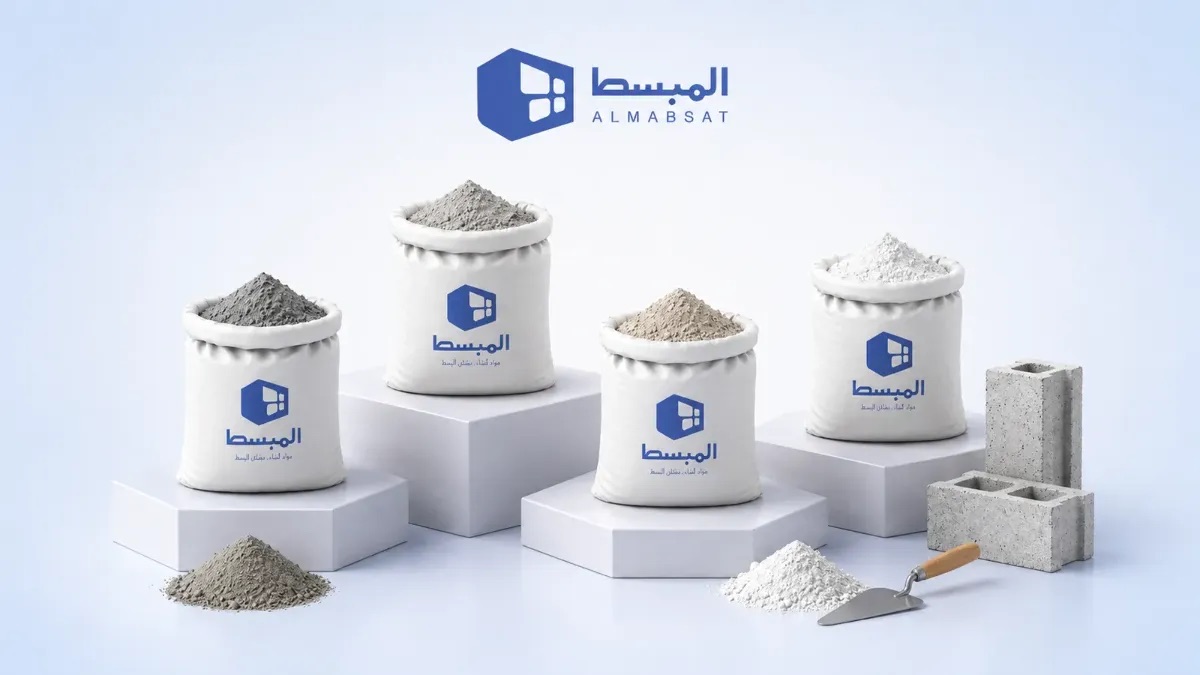
Cement is one of the most essential building materials, used in concrete, masonry, plastering, and finishing work. Cement types differ in composition and technical properties, making each one suited to specific applications depending on the project. Choosing the right type — and using it correctly — is critical for strength, durability, and overall build quality.
What Is Cement and What's It Made Of?
Cement is a fine binding material that turns into a hardening paste when mixed with water, used to bind materials like brick, gravel, and sand. It's made from natural raw materials — crushed and ground, then burned at high temperature to produce clinker, which is ground again with gypsum to form the final product.
Core components: limestone (calcium oxide), clay (silica and alumina), gypsum (regulates setting time), plus additives that vary by cement type.
Types of Cement and Their Uses
1. Ordinary Portland Cement (OPC)
Used in general construction — foundations, columns, roofs — and in most residential and commercial projects, offering a good balance of strength and workability.
2. Sulfate-Resistant Cement
Used where groundwater or salty soil is present, in below-grade structures, sewage plants, and marine work — protecting concrete from sulfate and salt attack and extending structure life in harsh conditions.
3. Rapid-Hardening Cement
Used where fast execution is needed — urgent repairs and road openings — giving higher early strength than ordinary cement, used only when speed is essential.
4. Low-Heat Cement
Used in large concrete masses like dams and massive foundations, reducing heat of hydration and thermal cracking in major projects.
5. White Cement
Used in finishing and decorative work, facades, and decorative concrete flooring — its light color comes from a low impurity content, and it isn't used for heavy structural work.
6. Pozzolanic Cement
Used in humid and coastal areas, improving resistance to chemicals and reducing water permeability for long-term durability.
7. Blast-Furnace Slag Cement
Used in large industrial and construction projects exposed to salt and moisture, improving corrosion resistance and lowering hydration heat.
Common Cement Mistakes to Avoid
- Using expired or poorly stored cement, which weakens concrete performance.
- Adding the wrong water ratio — too much weakens strength, too little hurts workability.
- Storing cement in damp or exposed conditions, causing clumping.
- Poor mixing with sand and gravel, weakening the final mix.
- Using the wrong cement type for the stage of work.
- Ignoring setting time, using concrete after it has begun to set.
Cement Products from Almabsat for Every Build Stage
Almabsat offers a full range of cement products for every stage of construction, from foundations and concrete through final finishing. If you need to buy sulfate resistant cement Saudi Arabia for below-grade or coastal work, or ordinary Portland cement for general building, Almabsat also supplies cement and blocks from one supplier, simplifying sourcing for every phase of your project.
FAQ: Types of Cement
When is sulfate-resistant cement used?
In areas exposed to high moisture or salts — foundations, salty soil, and structures near groundwater or marine work — because it resists sulfate attack on concrete.
What's the difference between ordinary and rapid-hardening cement?
Ordinary cement is used in most structural work and sets more slowly, while rapid-hardening cement is used when speed matters and gives higher early strength.
Can one cement type work for every job?
No — each cement type has properties suited to specific uses, so choosing the right one is key to quality execution.
Understanding cement types and their uses makes it easier to choose the right product for each stage of your project, ensuring quality execution and efficient performance.
You may also like:
- The Type of Cement Used in Foundations and in the Roof for Durability and Sustainability
- Sulphate-Resistant Cement Specifications | Durability and Strength for Your Build
General Disclaimer:
The information provided in this article is intended for general awareness purposes, aimed at helping readers better understand construction materials, procurement processes, and make more informed decisions. While Almabsat takes care in preparing and reviewing this content, every project is unique, and technical specifications, quantities, prices, execution methods, regulations, and manufacturer instructions may vary.
Therefore, this content should not be considered a substitute for engineering, technical, or professional consultation. It is recommended to consult engineers, consultants, and relevant authorities, and to review technical specifications and manufacturer instructions before making any design, execution, or purchasing decisions.
If this article includes any prices or price indicators, they are for guidance purposes only and may vary depending on the city, quantity, brand, purchase date, and market conditions.
If you need assistance with quantity estimation, BOQ review, or obtaining a quotation, the Almabsat team will be happy to assist you.